Fortifying Futures for our Youth
We are convening partners to build the future we wish to see and live in.
Led by youth.
Co-designed by community.
Grounded in joy.
Aspiring towards hope.
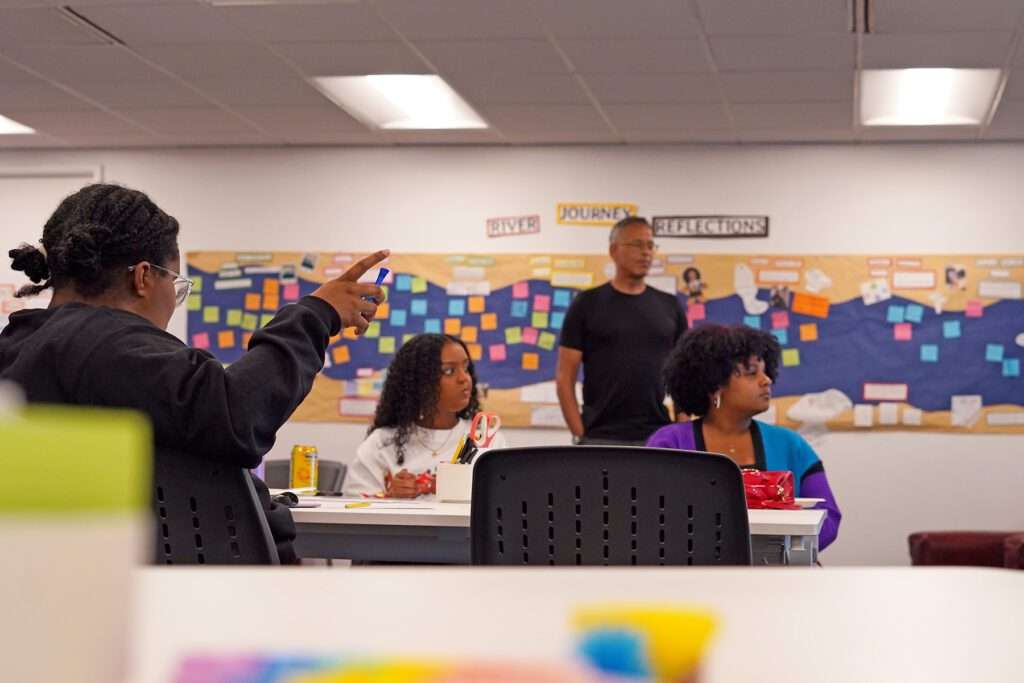
The Fortifying Futures for Our Youth project brought together a multigenerational group of youth and adults with lived experience to co-create bold, community-rooted solutions to youth incarceration and youth experiencing unstable housing. Linked by proximity to these issues and guided by youth brilliance, participants envisioned a future where these harms are not just reduced, but rendered unimaginable.

Explore the roadmap we built together to make a just future possible for all youth. Read our Fortifying Futures Report: ahshaycenter.org/ffreport
Methodology
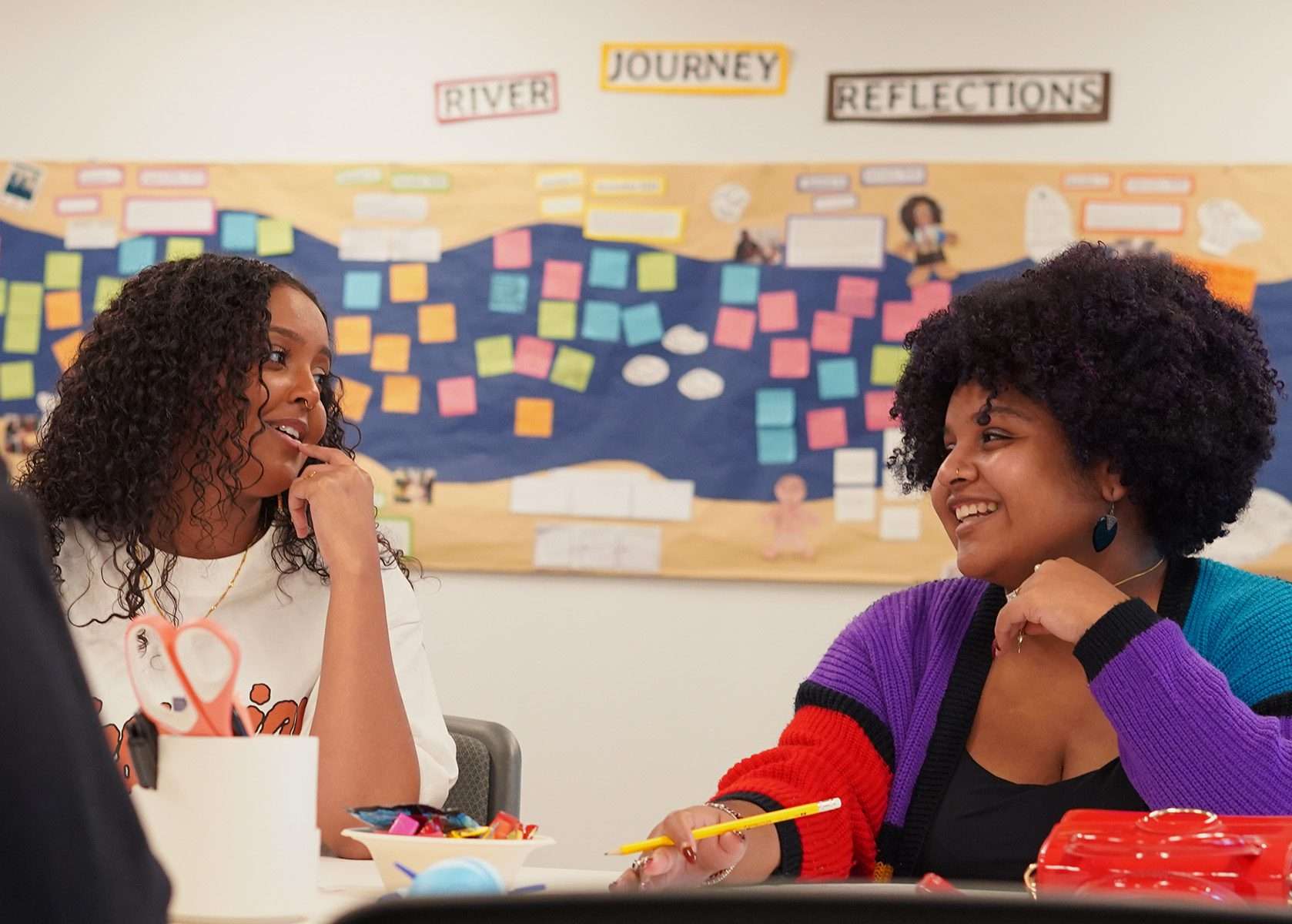
The project followed a responsive, relationship-centered methodology grounded in participatory design, youth-centered facilitation, and iterative feedback. Through five strategic phases—preparation, planning, convening, ideation, and refinement—participants engaged in creative exercises, storytelling, and collaborative decision-making. This approach fostered trust, belonging, and imagination, allowing participants to generate constellations of ideas spanning housing, education, wellness, and governance.
These ideas are now being developed into actionable and implementable strategies, laying the foundation for the next chapter of AHSHAY’s work and setting the stage for sustainable, community-driven impact.
Key Outcomes
- A belonging framework that serves as both a design principle and measurable outcome.
- A toolkit for community-based organizations to replicate inclusive, wellness-integrated project design.
- Launch of a prevention network called King County Youth Wellbeing, an initiative to scale youth-led, community-driven prevention strategies.
- A host of outgrowth efforts, including Storybook, Closure Convenings, Garfield Documentary, all under an overarching Narrative Strategies approach.
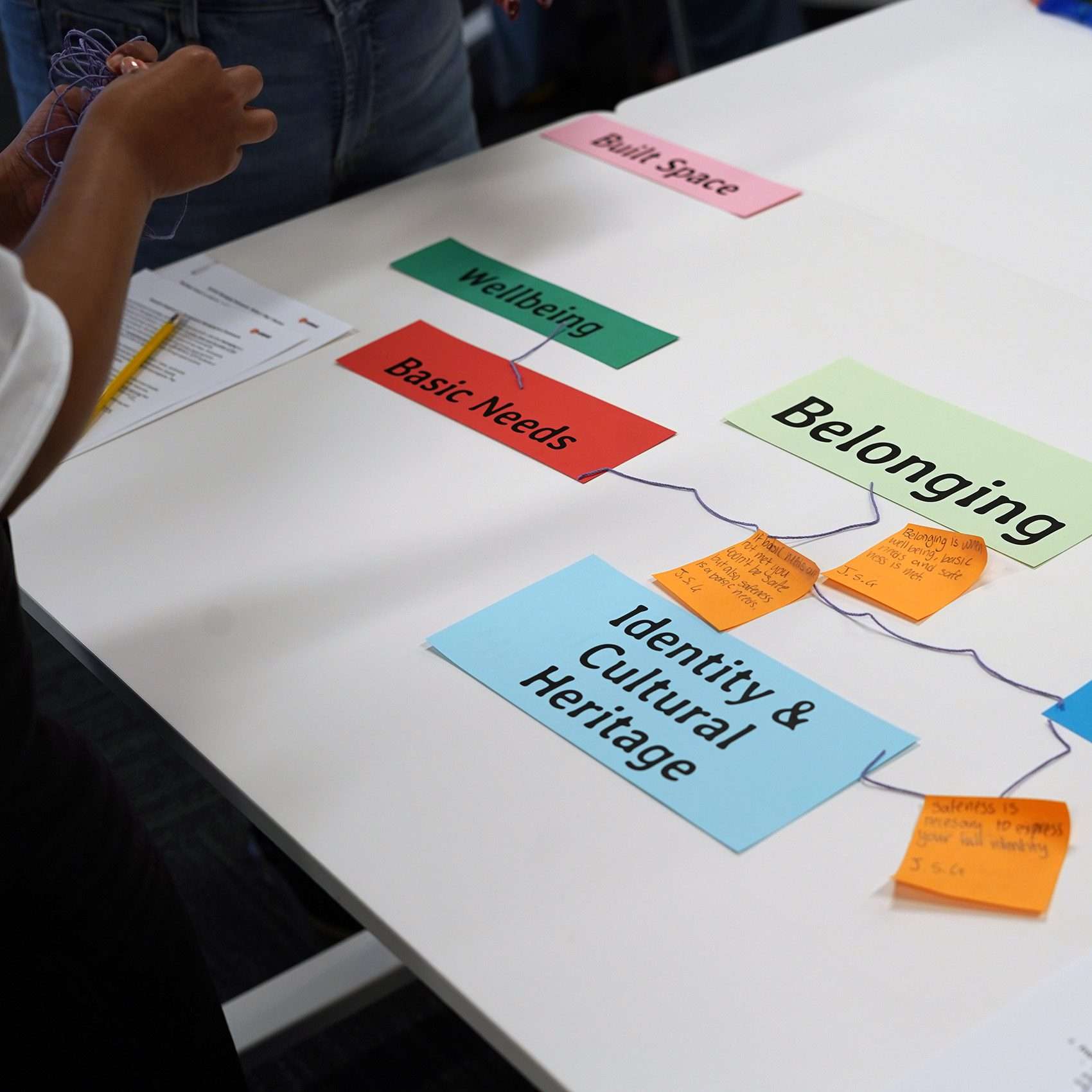
As part of the belonging framework, participants identified the following seven belonging domains:

Basic needs
Flexible cash or ongoing cash transfers—such as direct cash transfer or basic needs funding—or other low or no-barrier access to financial resources.

Wellbeing
Wellness-related services that are identity- and culturally-affirming, recognizing that the mind and body are not separate.
Skills/career
Case management support to connection with identity-affirming skill building or education-enhancing services.
Mentoring
Coordinated referral and support for engagement in identity affirming mentoring program.

Built space
Identification of a welcoming third space or development thereof; school-based or elsewhere.

Safeness
Promotion of neighbor-to-neighbor relationship-building, community identity, celebration, and an environment of “all kids are our kids.”
Identity and cultural heritage
Practices and environments that reinforce a sense of shared culture and traditions.
Project Updates